

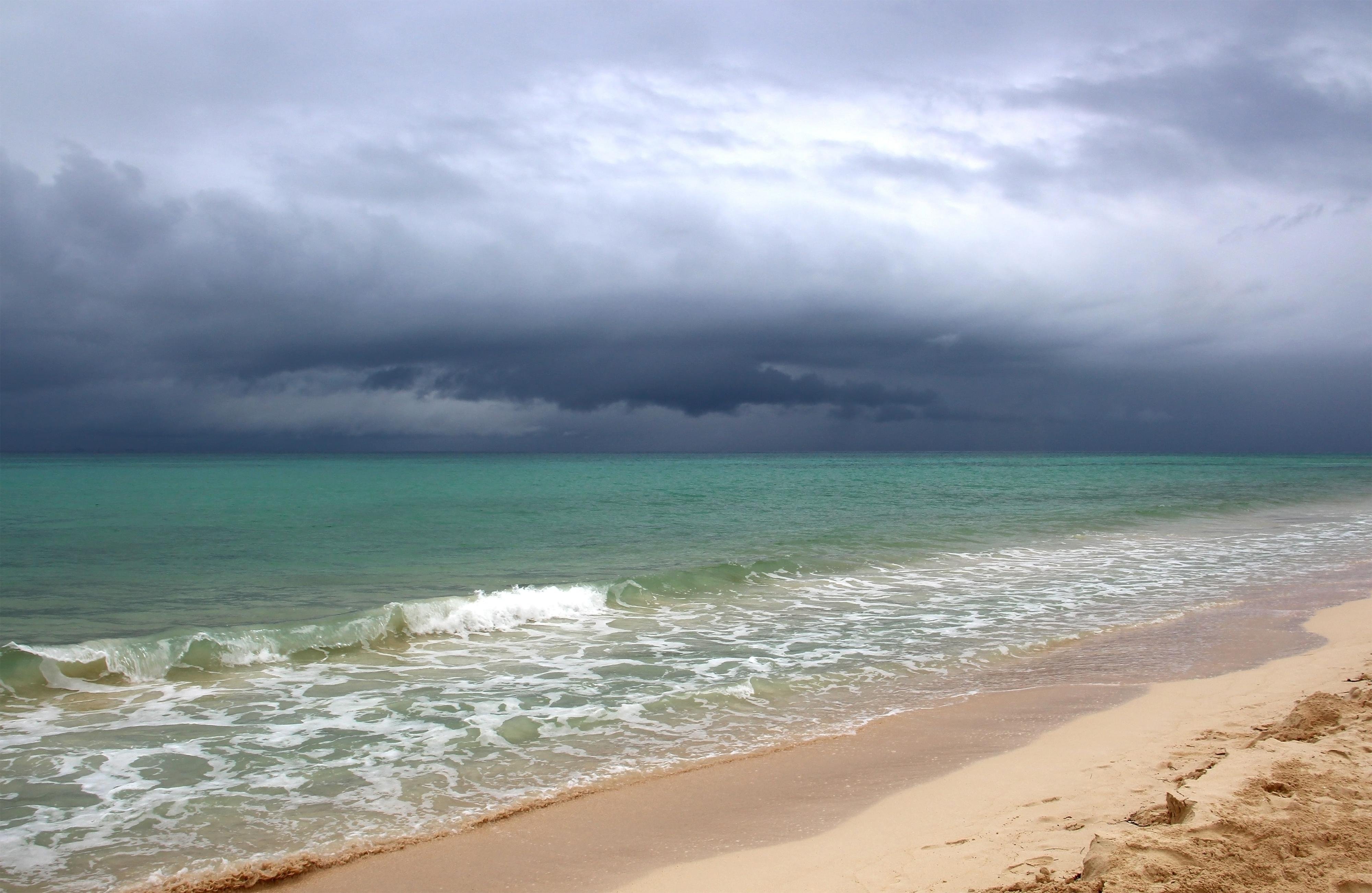
Ask anyone who lives in Los Cabos what September is really like, and you'll get a slightly amused answer. Because the word "hurricane season" and the reality of a September morning here are almost never the same thing.
Most mornings this time of year, the water is at its warmest. The beaches are close to empty. The light comes in soft over the Sea of Cortez, and by mid-morning you've forgotten there's a name for this season at all. Then, some afternoons, a storm rolls through. It's dramatic, it's brief, and an hour later the terrace is dry and someone is asking about dinner.
That gap, between what "hurricane season" sounds like from a computer in Denver and what it actually feels like from a villa in Pedregal, is the whole story.
What Hurricane Season Can Actually Do
Here's the part most travel sites skip past. Hurricane season is real, and it deserves respect. The official window runs from May 15 to November 30, and September falls in the heart of the season. Most of what Los Cabos sees during these months is minor: brief afternoon storms, some humidity, the occasional heavy rain that clears by evening.
But not always. Every few years, a serious system moves close enough to matter. Los Cabos has seen real hurricanes make landfall, and when that happens, it's not a small thing. Flights get disrupted. Plans change. The ocean is off limits for a stretch.
We take it as our responsibility to tell you that honestly, because you deserve the full picture before you plan a trip. What matters just as much is what actually happens when a real storm is on the radar, and why the people managing your stay make more of a difference in those moments than anything else.
Why a Direct Hit Is Rarer Than It Sounds
Here's something most visitors won't know, and it's why locals stay calm when a storm shows up on the forecast.
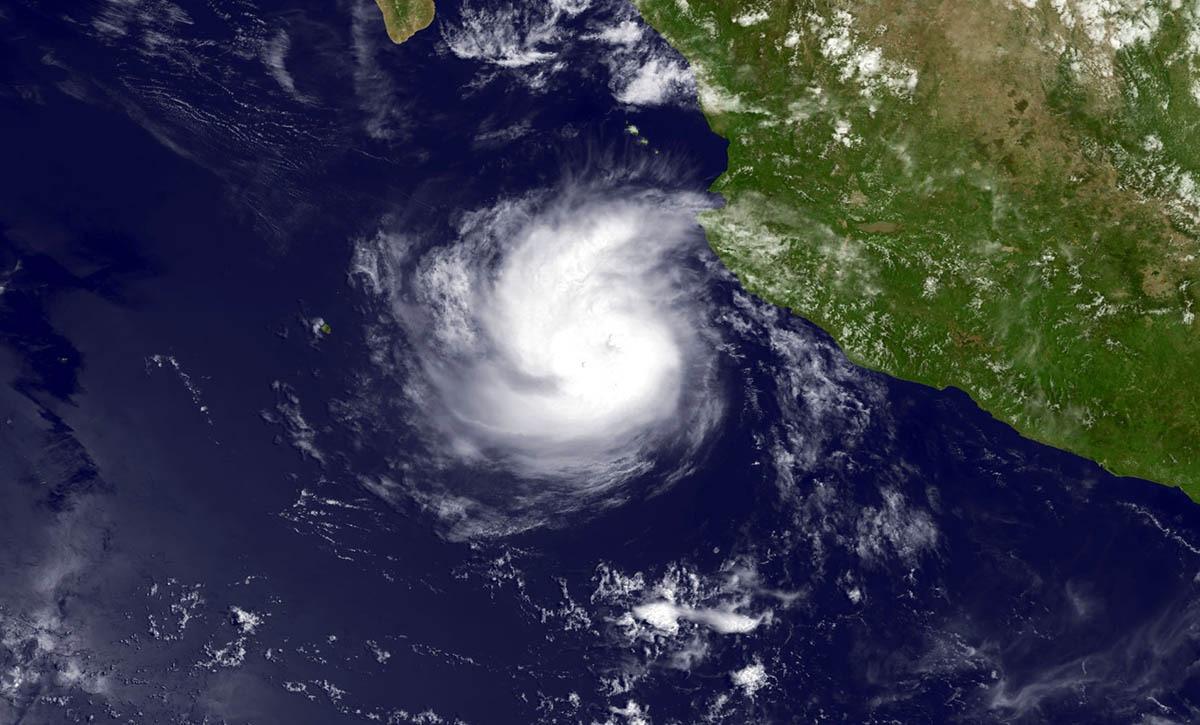
Two natural forces work in Los Cabos' favor. The California Current runs cold water down the Pacific side of the peninsula, and storms need warm water to hold their strength. When a system approaches that cooler water, it tends to lose power. At the same time, a large high-pressure system over the North Pacific acts like a hand on the wheel, steering most storms west into open ocean before they ever reach land. It's not a guarantee. But it's the reason direct hits are the exception here, not the pattern.
When a storm does come close, the region has learned how to handle it. In October 2023, Hurricane Norma made landfall near Cabo San Lucas. It had been a Category 4 over the ocean and weakened to a Category 1 before it arrived, sparing the area from the worst. It was still a real storm. Power went out for tens of thousands of people, trees came down, and some boats were damaged. And then the destination did what it has gotten good at. The airport was operating again within about a day, crews cleared the roads, and guests who had sheltered properly were on their way out or back to their plans by the next morning.
That's the honest shape of it. Not that nothing ever happens, but that when it does, this is a place that knows exactly what to do, backed by real infrastructure. Los Cabos runs formal civil protection protocols, certified shelter properties, and coordinated emergency response across the whole region.
The preparation is not improvised. It has been built over years, storm by storm. That preparation extends to how we run your stay. Our team stays in constant contact with the property managers at every villa, and we monitor developing conditions together long before they become a concern. If a system starts to look like it might affect your dates, you are not the last to know. You are the first call we make.
What Actually Happens When a Storm Is on the Radar
This is where staying in a villa with a local team stops being a nice detail and becomes the entire difference.
When a system starts forming out in the Pacific or moving up through the Sea of Cortez, our team knows days before it becomes news. Not from an app, but from living here, from the rhythm of a place that has watched a hundred of these form and fade. Most of them fade. But the moment one looks like it might matter, we're already watching it closely and thinking a step ahead.
That's the part that changes the experience. We monitor the conditions, and if something looks like it might affect your days, we come to you early with a plan B, options already in hand, so the decision is yours. Nothing moves on its own. The boat day booked for Thursday might shift to Tuesday while the water is still perfect, but only once we've talked it through.
Compare that to a resort, where a guest is one of 600 people learning about a policy at the same time at the front desk. Or a booking platform, where the host is in another country, and the guest is on their own with a weather map and a rising sense of panic.
That's the real product during hurricane season. Not a promise that nothing will go wrong, but a team close enough to see it coming and steady enough to walk you through it.
Why Some Guests Choose This Season on Purpose
Here's what surprises people. Some of our returning guests book August, September or October deliberately.
Not despite the season, but because of what it offers when you understand it. The water is the warmest it gets all year, which changes everything on the ocean side, from snorkeling to the color of the sea off the back of a boat. The beaches empty out. Restaurants that need a week's notice in January have tables available. The whole destination exhales, and for a certain kind of traveler, that version of Los Cabos is the one worth having.
There's also the practical side. Rates settle. Availability opens up on villas that are impossible to get during high season. A group that could never align calendars for Christmas week suddenly finds that a September stay in a villa they love is not only possible, it's easier in every way.
The tradeoff is honest and simple. You accept that the weather asks for some flexibility, and in return you get a warmer, quieter, more open version of the same place. For guests who plan with the right team and keep their days a little adaptable, it's a genuinely good trip. Not a consolation prize. A different, and sometimes better, way to see Los Cabos.
So, Should You Come to Los Cabos During Hurricane Season?
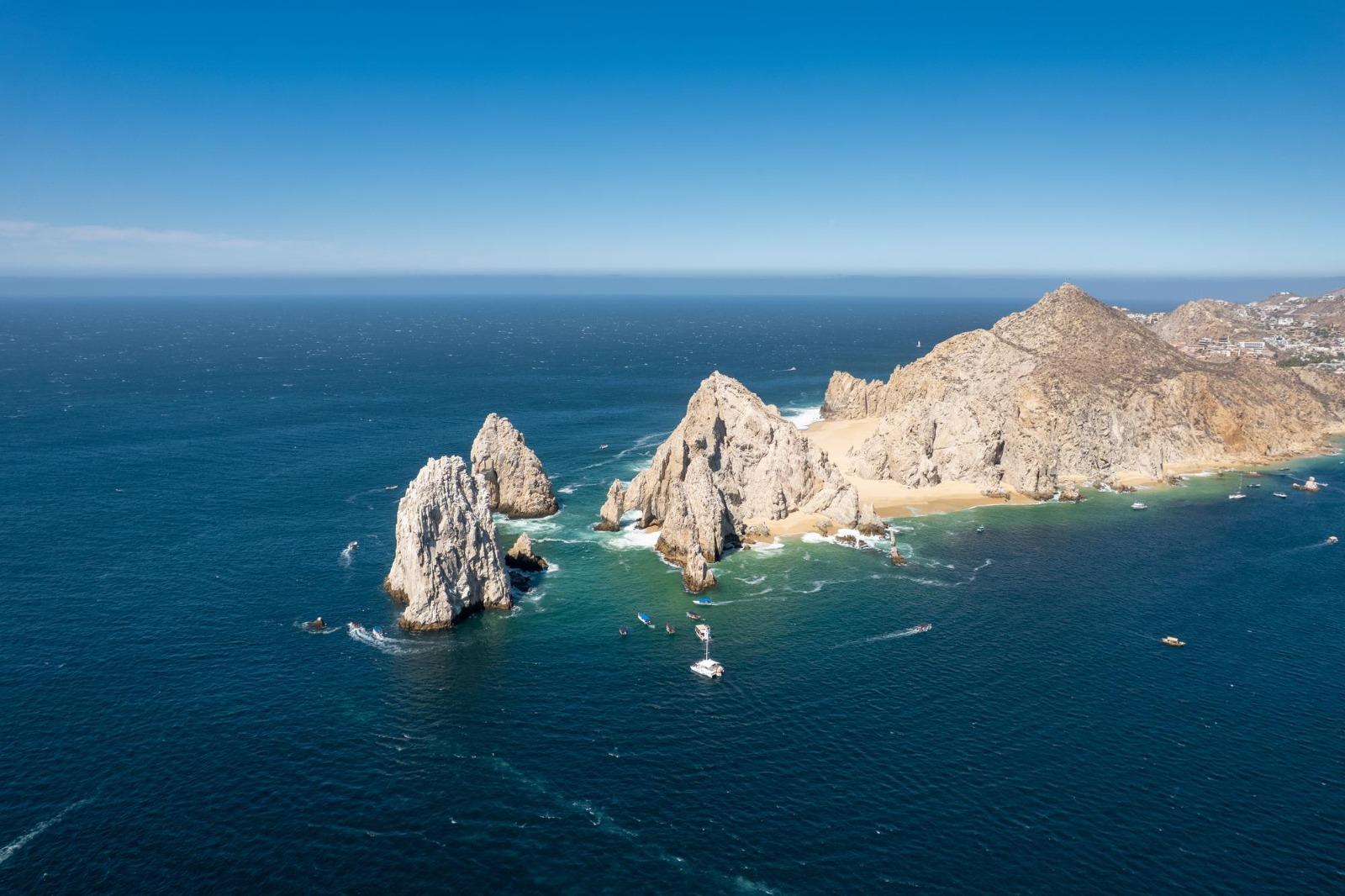
If you need every day locked in months ahead with zero tolerance for change, this may not be your season, and that's worth knowing about yourself before you book. But if you can hold your plans a little loosely, and you want Los Cabos at its warmest, calmest, and most open, these months reward you in ways the busy season never can.
The weather is part of the deal. So is a team that watches it for you, thinks ahead of it, and keeps your stay steady no matter what the sky decides to do. That combination, honesty about the season and real people managing it in real time, is what turns hurricane season from a gamble into a genuine choice.
If you're weighing a trip during these months and want a straight answer about what to expect, that's exactly the kind of conversation our team is here for.